








































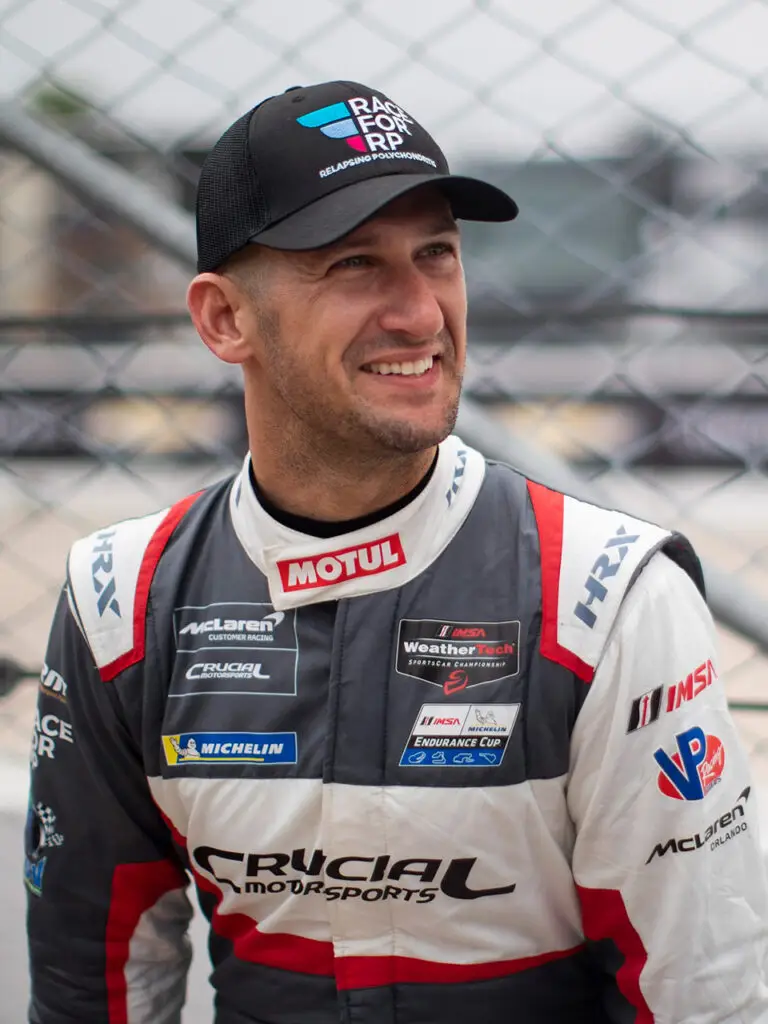

Driving Awareness for Relapsing PolychondritiS
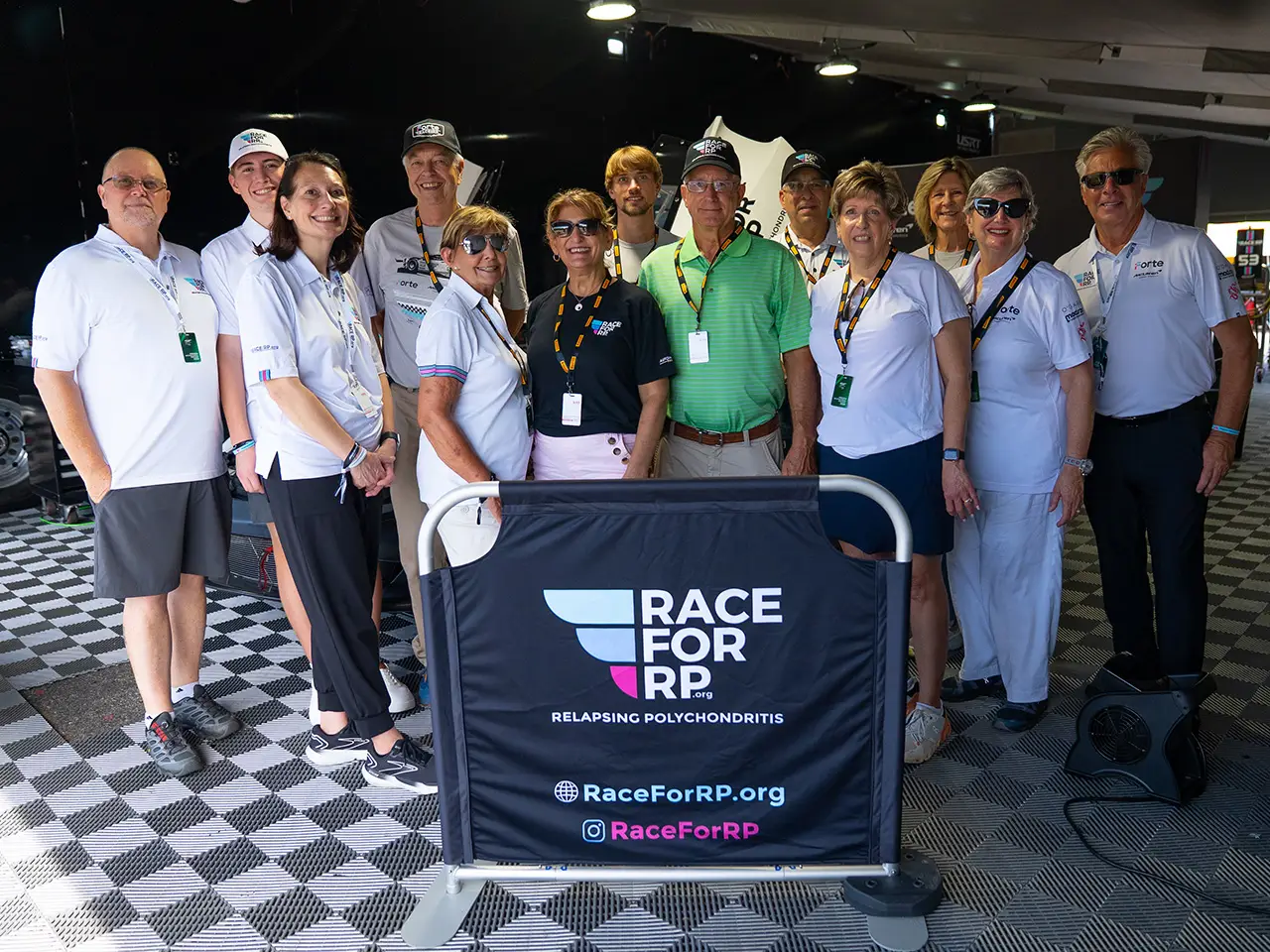
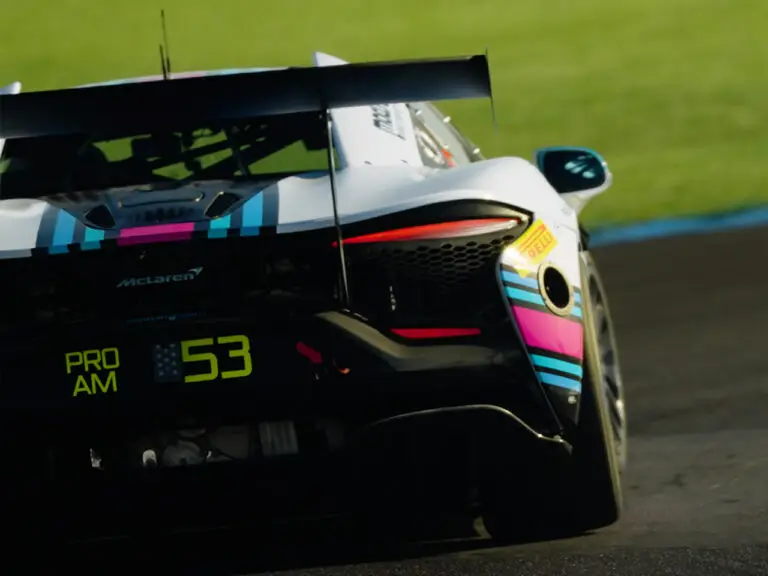
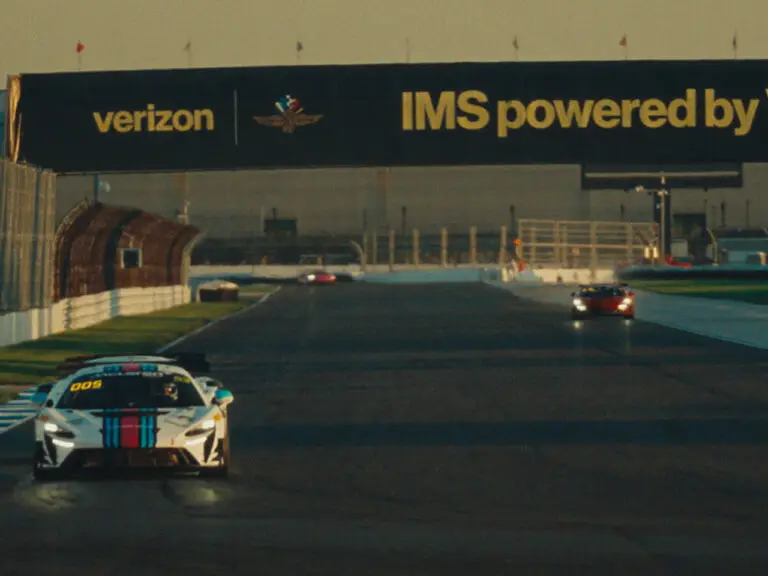
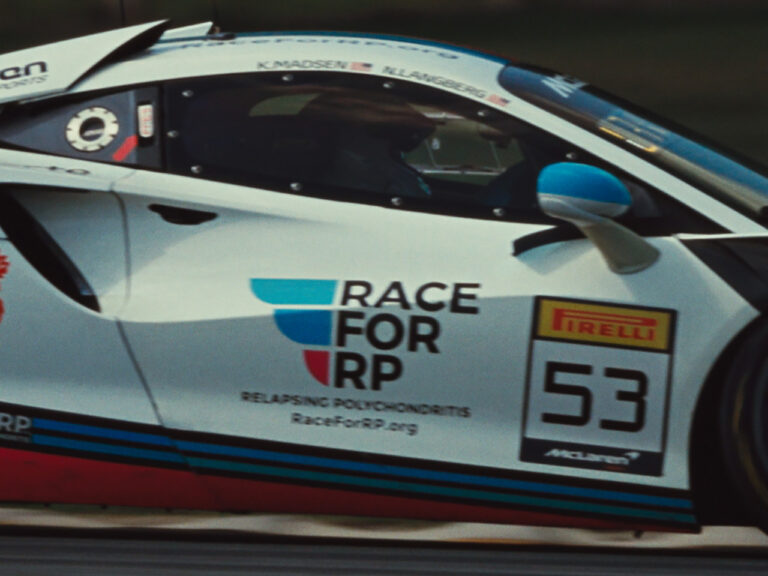
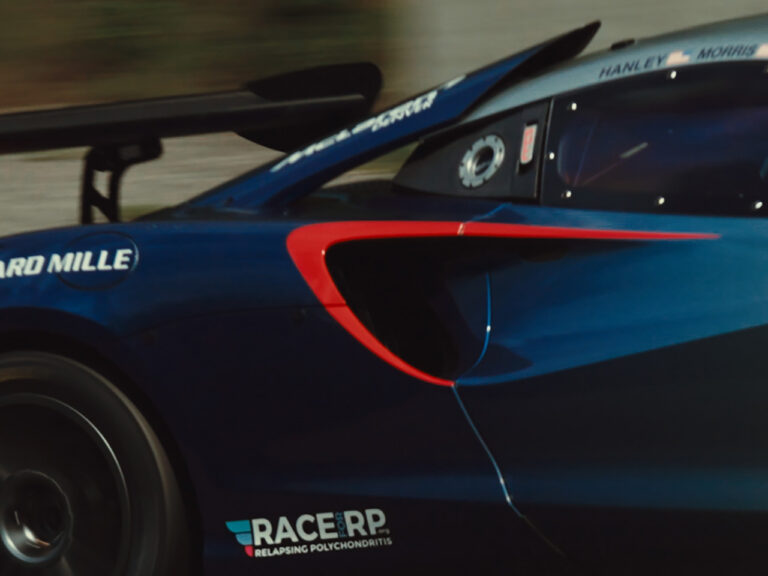
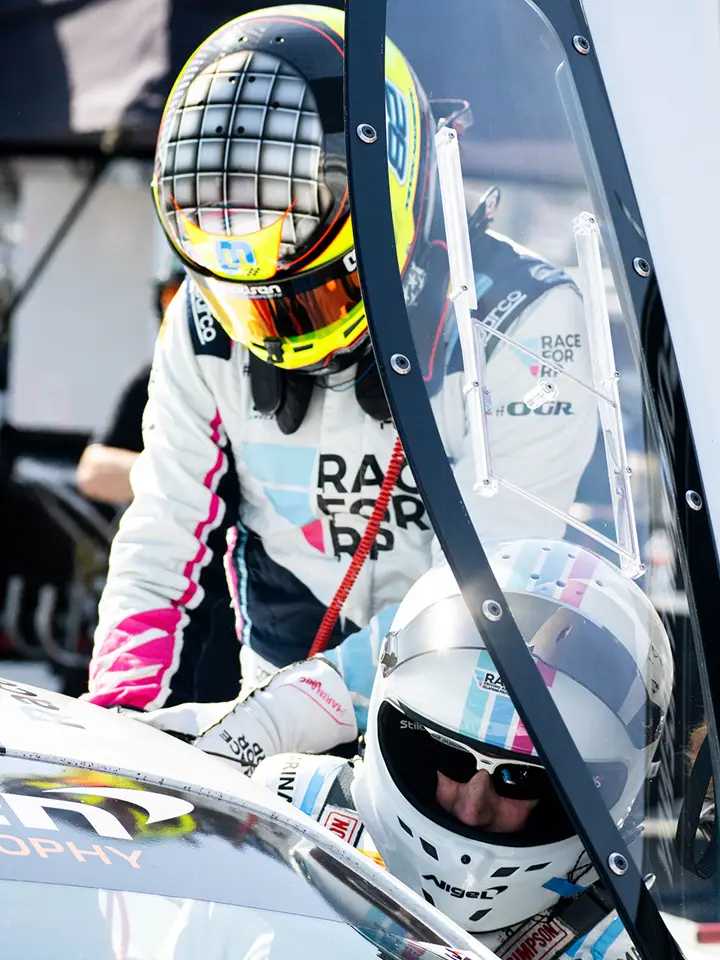
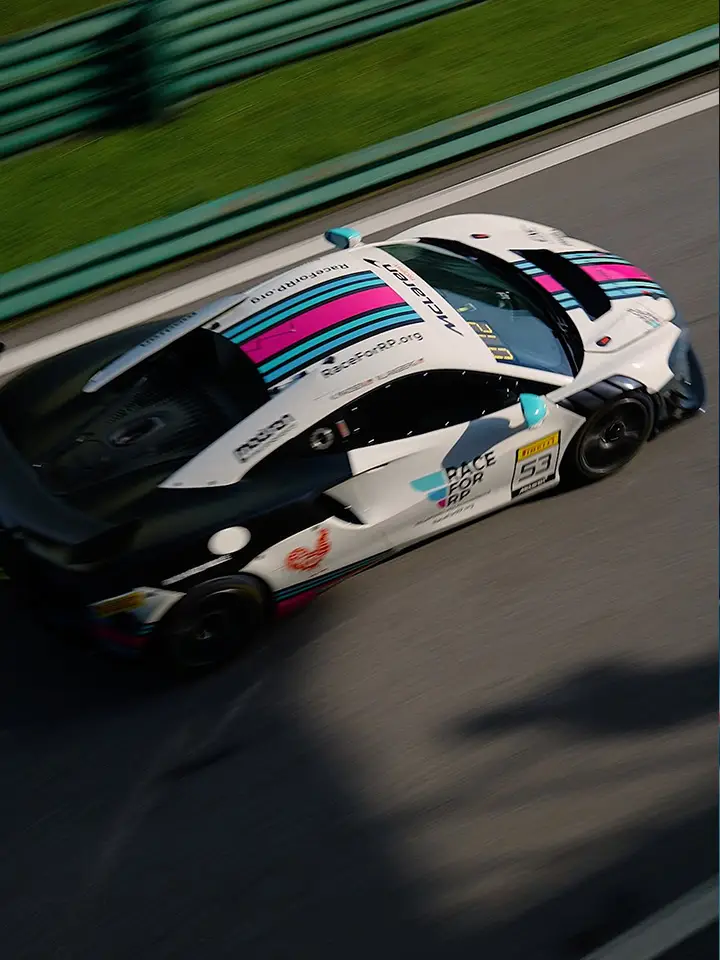
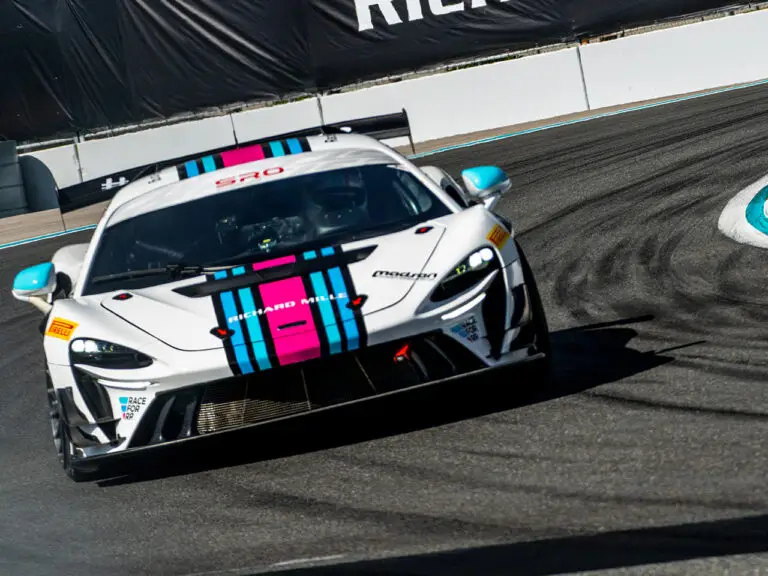
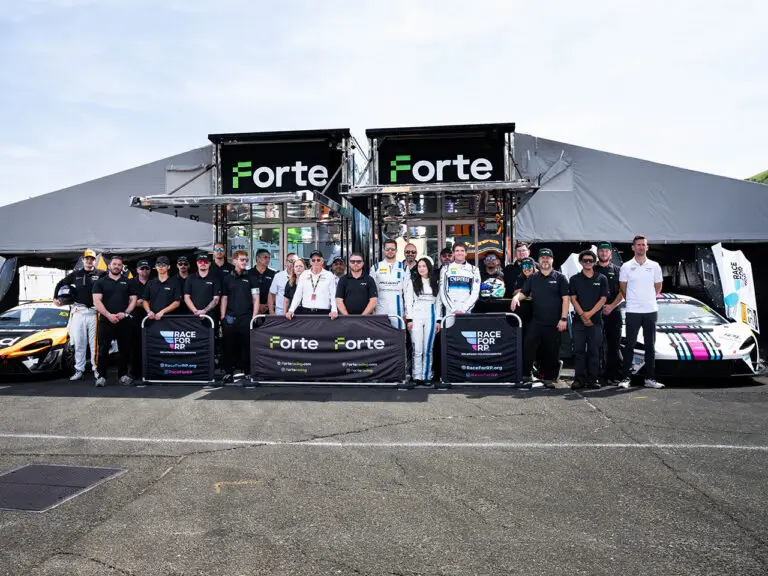
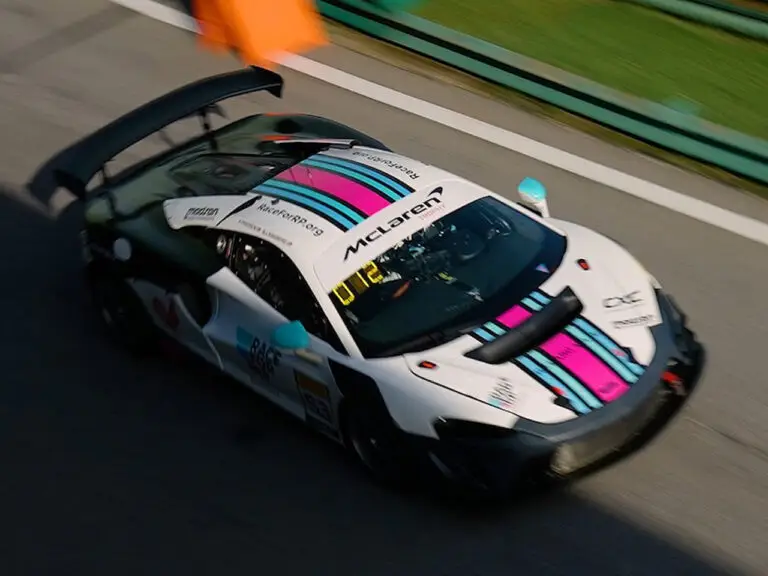
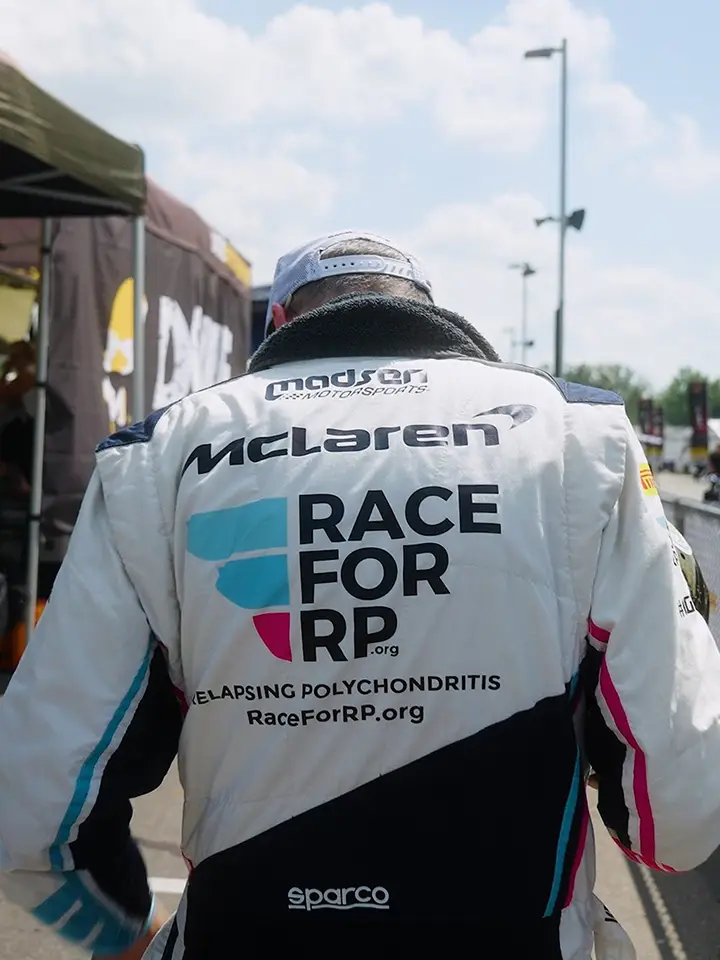
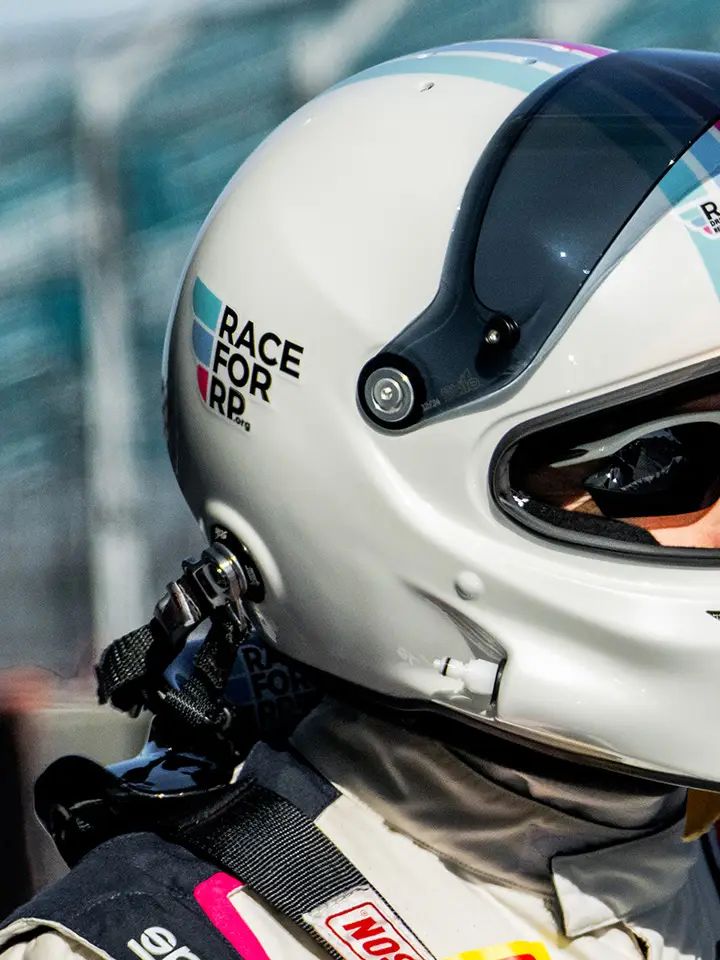
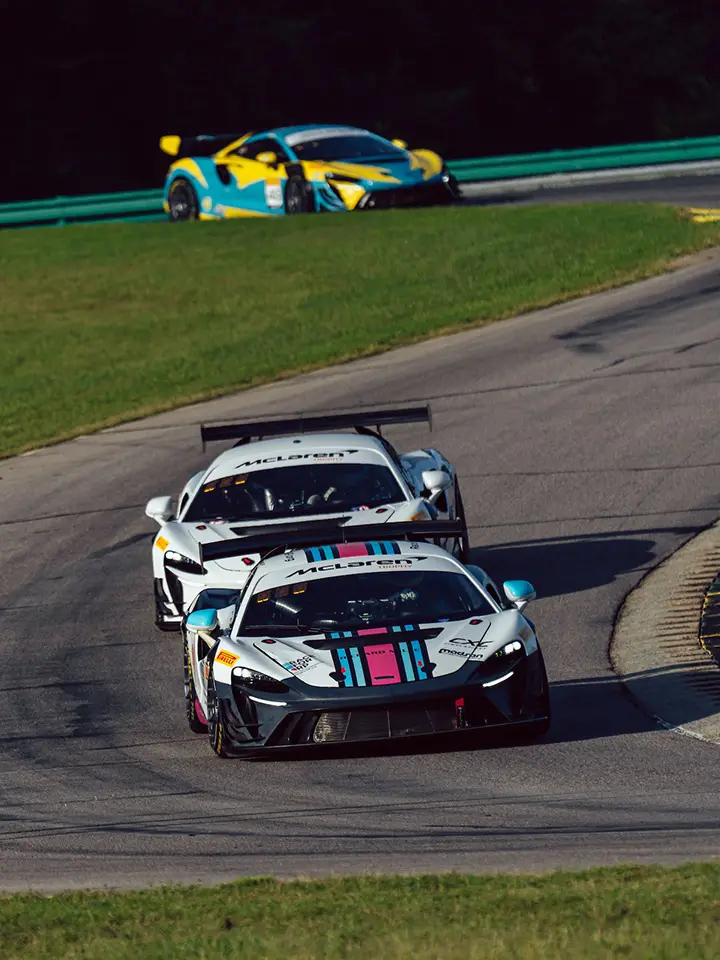
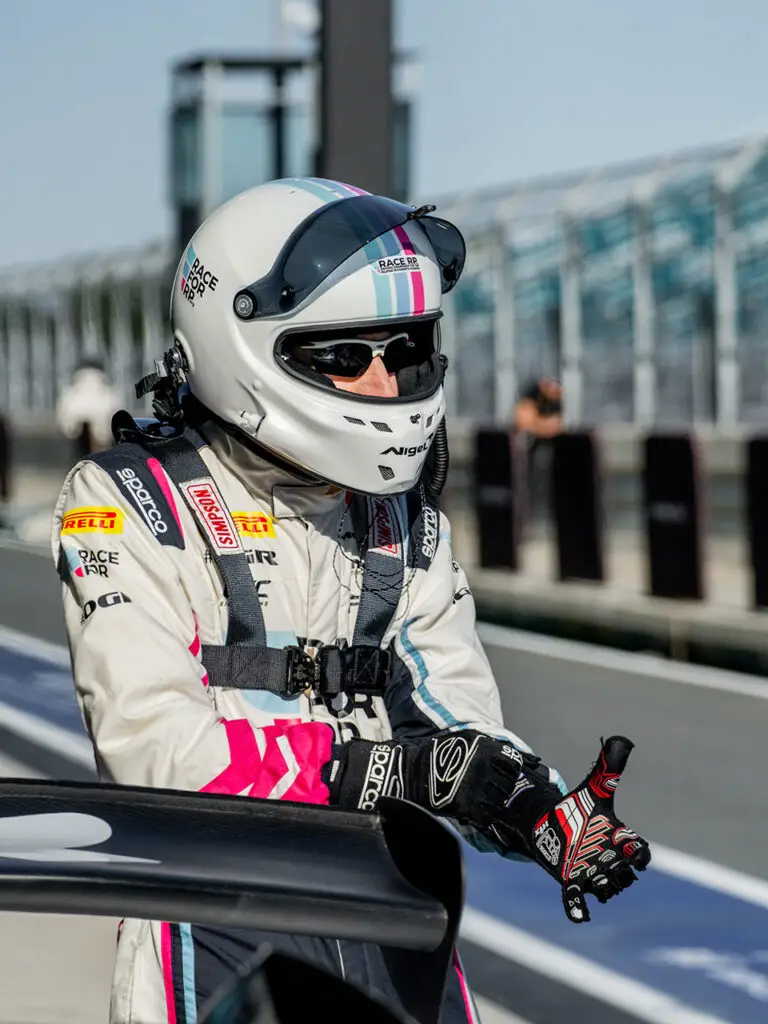
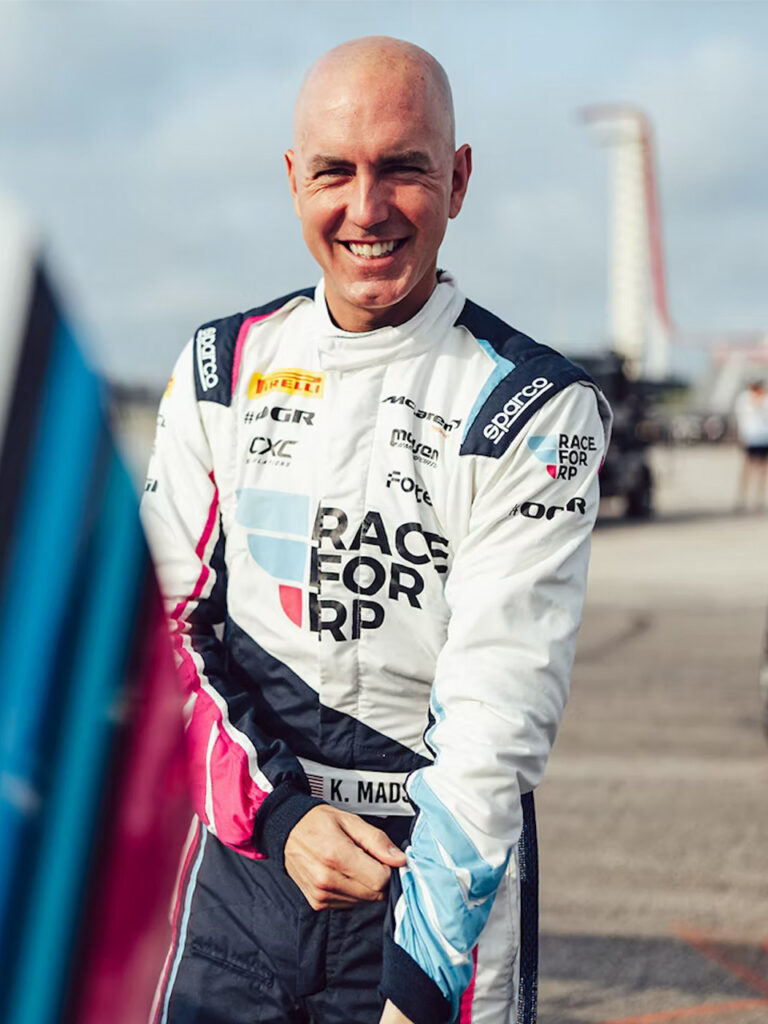
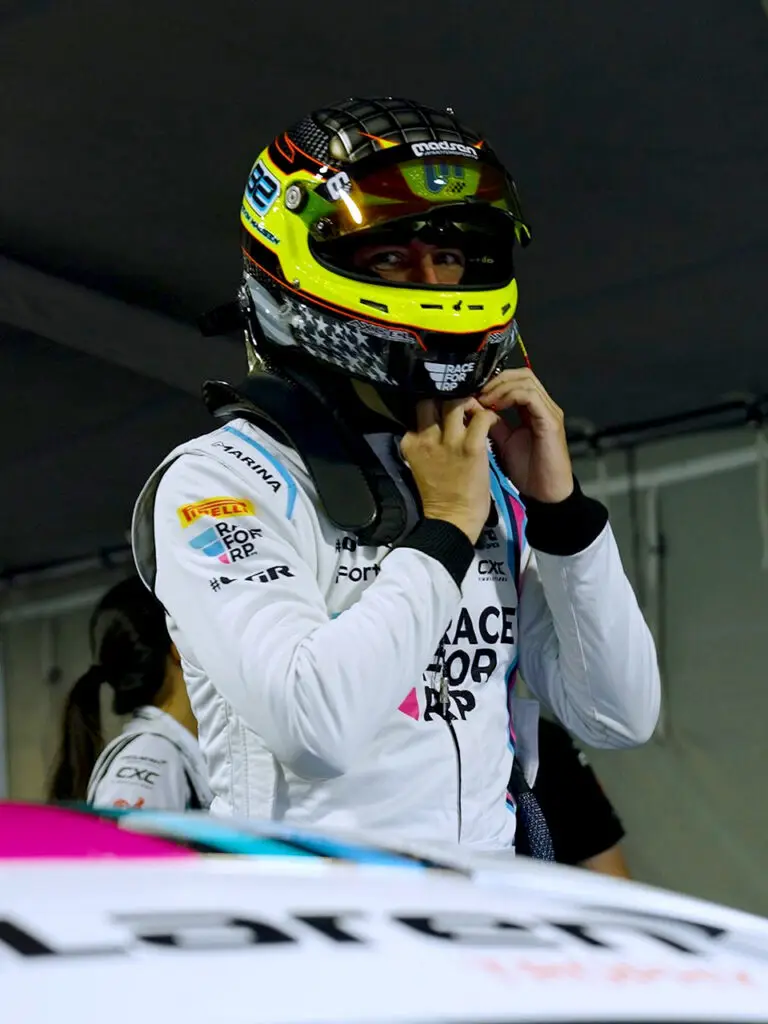
Race for RP is a dynamic collaboration with race car drivers, teams, owners, sponsors, and motorsport enthusiasts united by a common purpose: to raise awareness and accelerate research for relapsing polychondritis (RP) and related autoimmune diseases.
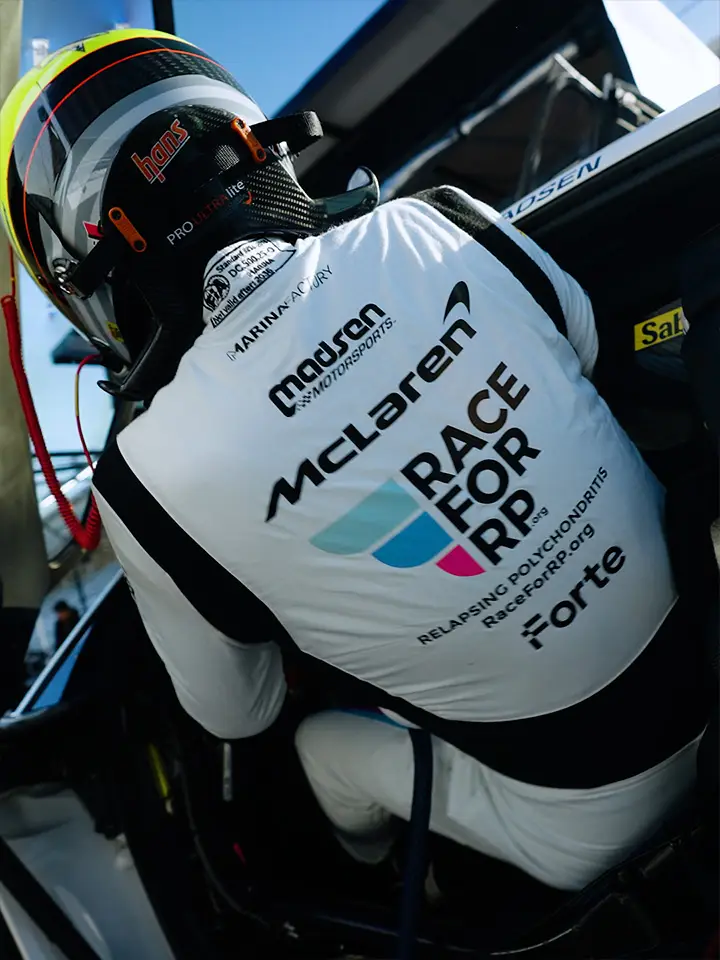
As the official motorsports initiative of the Relapsing Polychondritis Foundation, Race for RP harnesses the excitement of racing to fuel progress in science and patient care. The Foundation is a non-profit organization dedicated to advancing RP-focused research and awareness programs, with the ultimate goal of improving diagnosis, treatment, and quality of life for those affected by RP and other autoimmune conditions.
What is Relapsing Polychondritis?
Relapsing polychondritis (RP) is a rare, chronic autoimmune disease characterized by recurrent inflammation and progressive destruction of cartilage. This serious and potentially life threatening condition can affect any cartilage containing structure in the body, including the ears, nose, airways, joints, eyes, skin, heart valves, and even the central nervous system.
The founding of race for RP
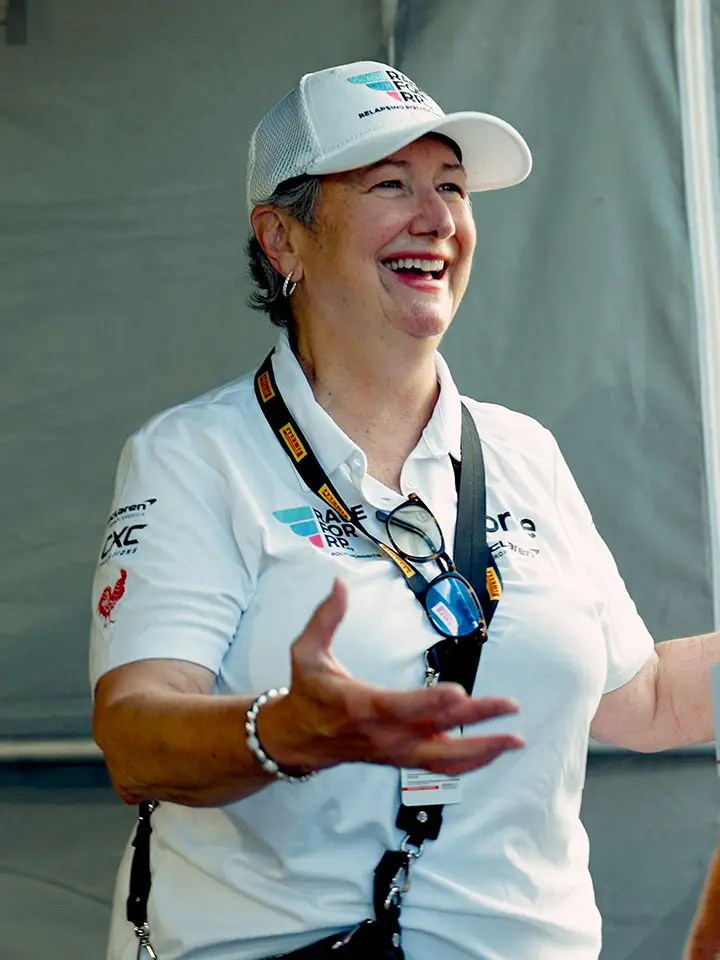
Race for RP was born from the story of Nancy Linn. After enduring years of painful, debilitating symptoms without answers, Nancy was finally diagnosed with relapsing polychondritis (RP). In the face of this rare and challenging disease, she chose to live with purpose finding strength and courage in perseverance. To learn more about Nancy Linn’s journey to find purpose after her relapsing polychondritis diagnosis, watch “RP The Ride of My Life”. To learn how a singular purpose grew into a movement to spread awareness, view the director’s cut of “RP The Race of Our Lives”.
Inspired by her journey, Race for RP raises awareness of RP across clinical, scientific, and community arenas, while advancing research into RP and related autoimmune diseases. By catalyzing discoveries that improve diagnosis, enhance patient outcomes, and bring us closer to a cure, Race for RP transforms Nancy’s personal mission into a collective one. For the countless patients living with autoimmune diseases and facing similar struggles, her purpose has become our shared purpose.
The Impact of Relapsing Polychondritis
RP remains poorly understood. Its unpredictable progression and wide-ranging effects on the body make it especially challenging to diagnose and treat. That’s why we are committed to advancing research investing in studies that deepen understanding, drive innovation in care, and bring hope to those living with RP and related autoimmune conditions.
5,000
Estimated number of people in the U.S. with relapsing polychondritis.
50/50
Relapsing Polychondritis impacts men and women equally
40-60
Age most people begin experiencing symptoms
33%
Percent of patients with relapsing polychondritis also have another autoimmune or systemic disease.
Fueling Groundbreaking RP-Focused Research
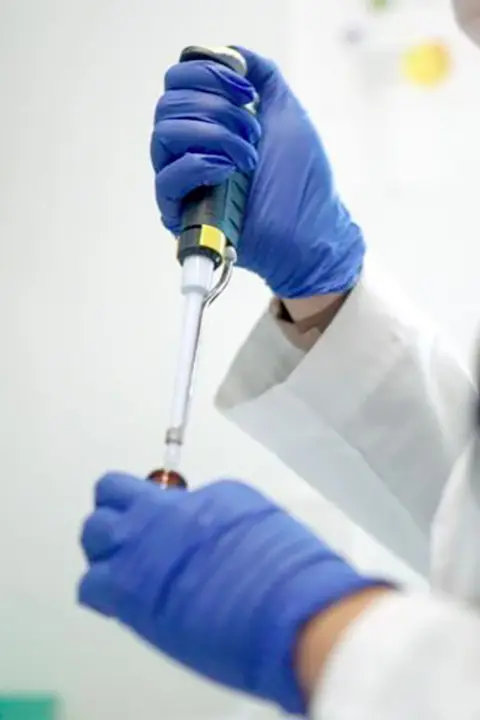
Race for RP and the Relapsing Polychondritis Foundation are accelerating the pace of discovery to improve the diagnosis, prevention, and treatment of relapsing polychondritis and related autoimmune diseases.
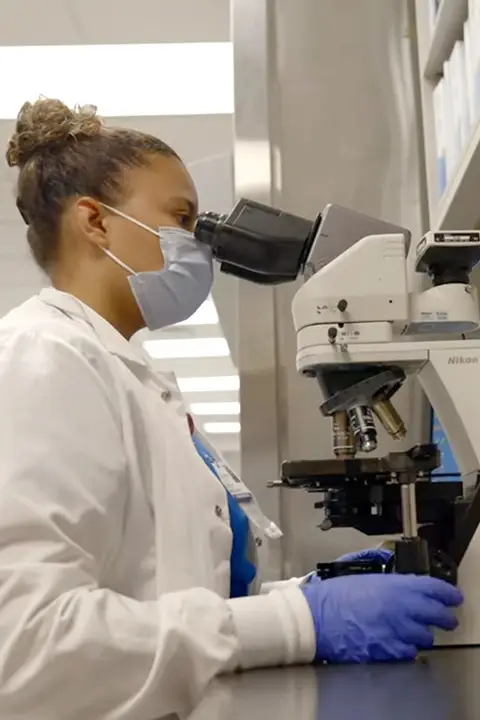
Working hand-in-hand with our world-class research partners, we are pushing RP and autoimmune diseases to the forefront of scientific innovation. Our efforts not only advance groundbreaking studies but also expand patient access to specialized, multi-disciplinary clinical teams. At the same time, we are fostering greater awareness and understanding of RP among clinicians, scientists, and the broader community.
We recognize the critical importance of sustained funding to fuel the next wave of progress supporting the research that is forging a path toward better care, transformative breakthroughs, and ultimately, a cure.
The RP Foundation’s investments have been strategically directed toward genetic research, biobank infrastructure, and collaborative clinical programs, ensuring that both immediate patient care and long-term cures are advanced.
Research projects and studies, and growing
Collaborative partners across academic centers and hospitals.